

Stainless steel flange nuts are hexagonal nuts with an integrated washer-like flange at the base. The flange increases the bearing surface and helps distribute the clamping load over a larger area, reducing the risk of loosening and minimizing damage to the connected surface. Stainless steel flange nuts are widely used in mechanical assemblies where stable fastening, corrosion resistance, and vibration resistance are required.
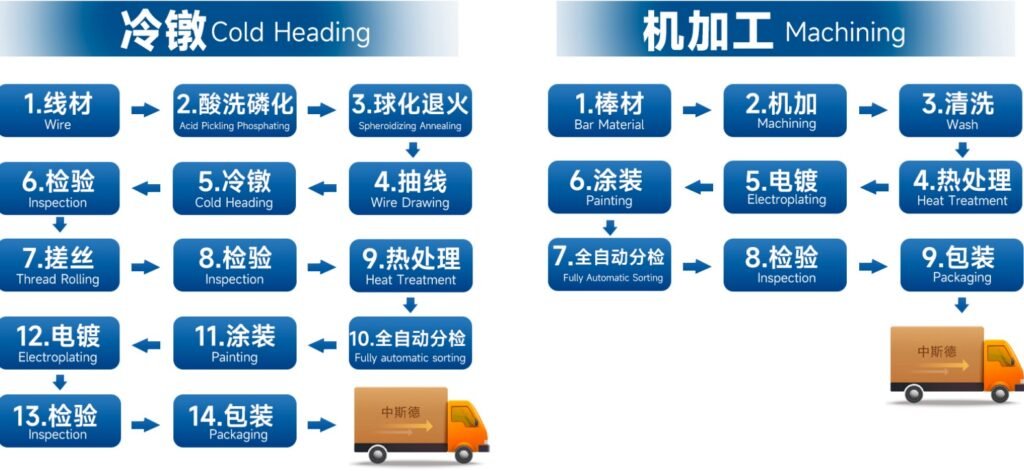
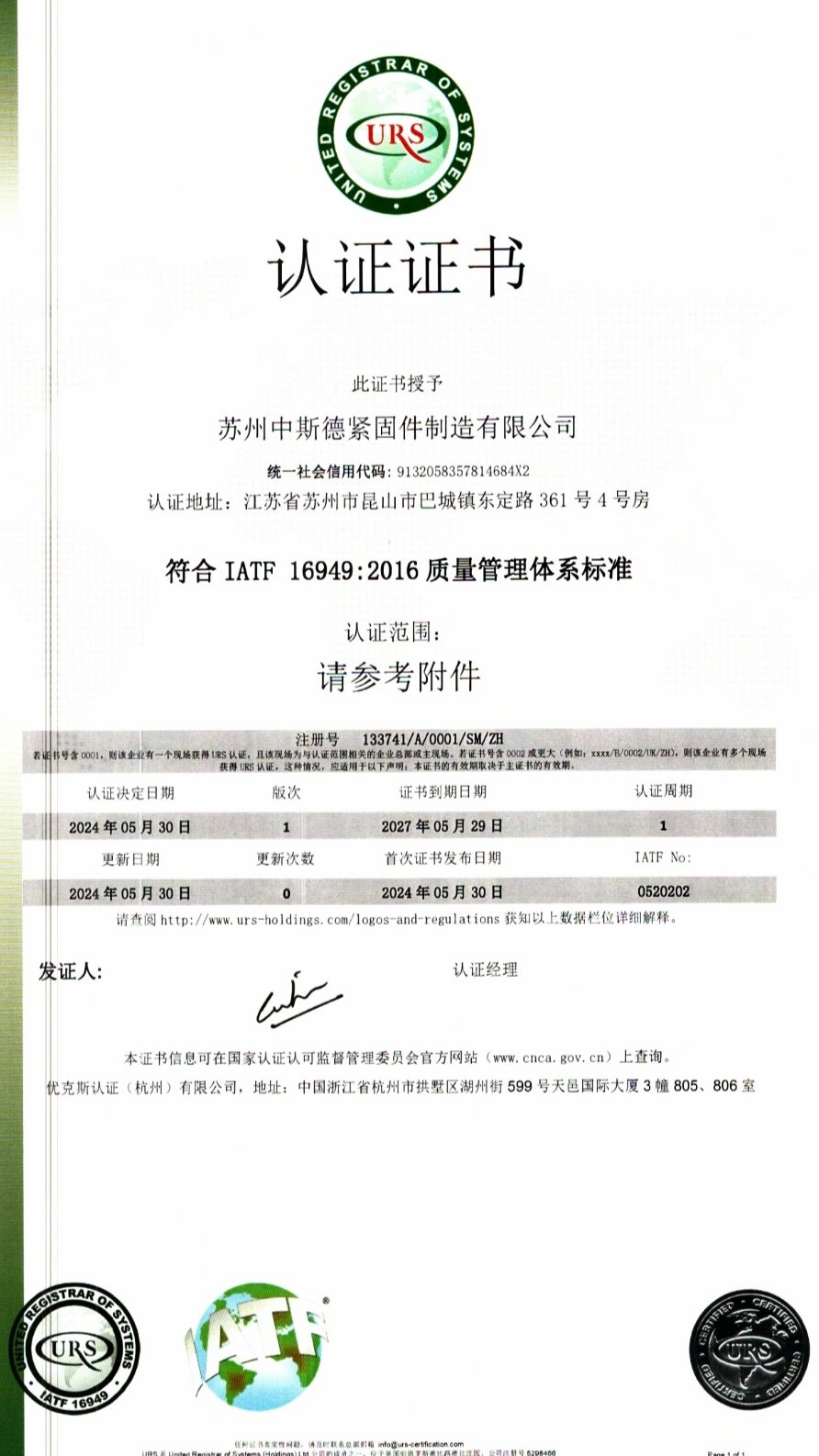
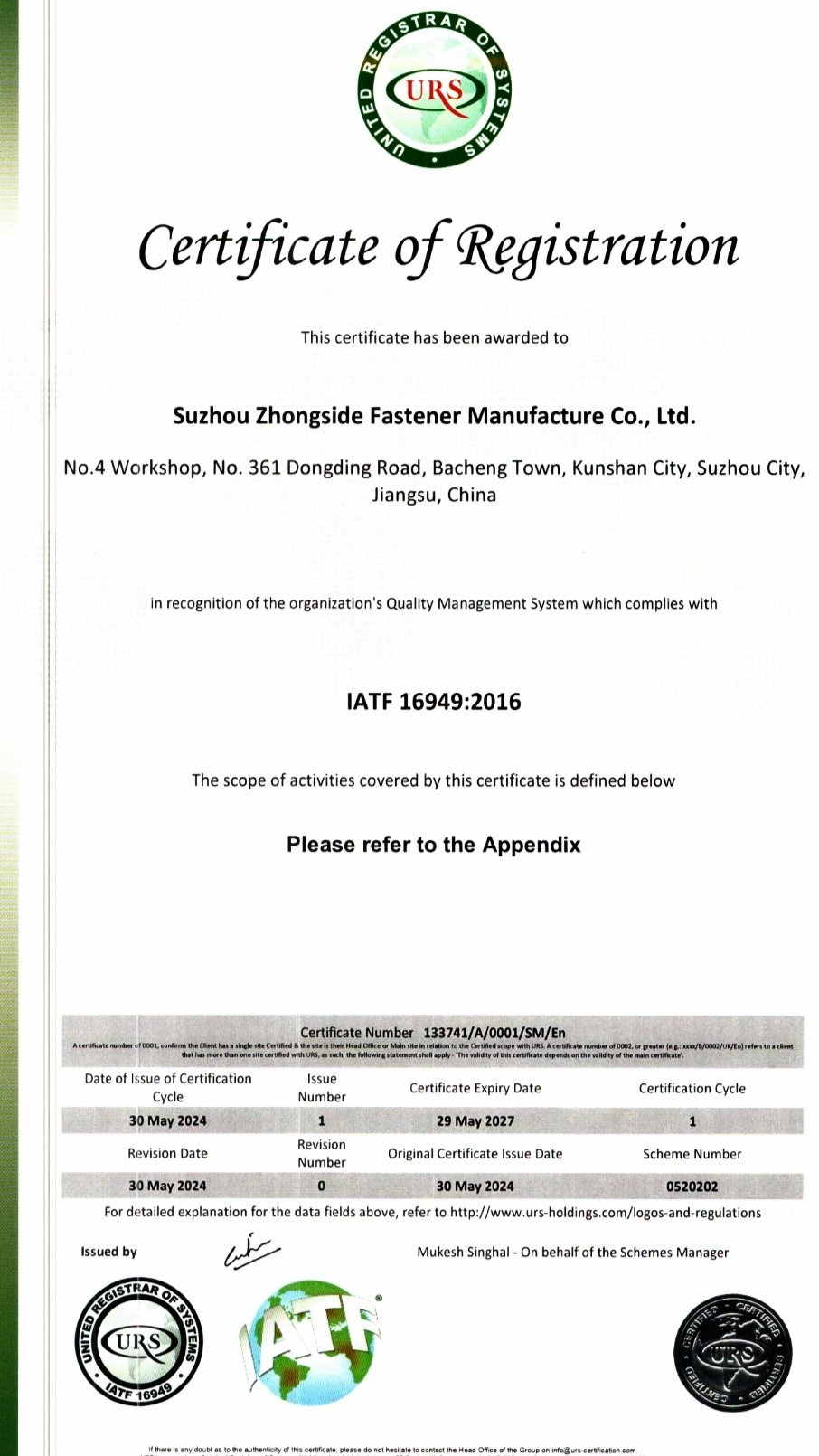
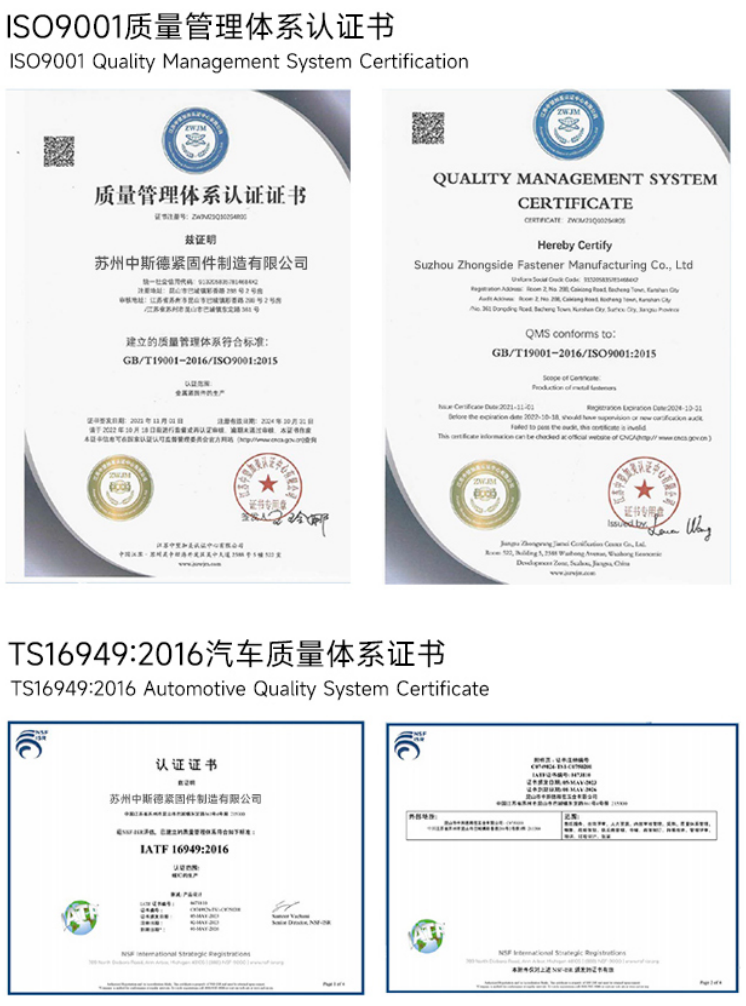
ZSD Screw manufactures stainless steel flange nuts using controlled cold forming and precision thread machining processes to ensure consistent thread accuracy and reliable fastening performance. Production follows internationally recognized dimensional standards such as DIN 6923 and ISO 4161. Material performance and mechanical properties for stainless steel fasteners are produced according to ISO 3506, ensuring stable strength and corrosion resistance for industrial applications. Quality control processes include thread inspection, dimensional measurement, and batch traceability to maintain consistent fastening reliability.
 Standard flange nut dimensions are manufactured according to DIN and ISO specifications. Custom drawings and special requirements can be accepted for project-based applications.
Type: Hexagon Flange Nut
Diameter Range: M3 – M36
Thread Type: Metric / UNC / UNF
Standard: DIN 6923 / ISO 4161
Tolerance: According to standard specifications or customer drawings.
Materials Available: Stainless Steel 304 (A2)、Stainless Steel 316 / 316L (A4). Other corrosion-resistant stainless steel materials can be supplied upon request depending on service environment requirements.
Strength Grades: Stainless steel flange nuts are generally produced according to ISO 3506 with property classes including A2-50、A2-70、A4-70、A4-80, which define the mechanical properties and load capacity of stainless steel threaded fasteners. For reference across mechanical fastening systems, carbon steel fasteners commonly use strength grades 4.8、8.8、10.9、12.9、14.9 according to ISO 898-1. ZSD Screw maintains controlled manufacturing processes, thread accuracy inspection, and mechanical verification to ensure stable fastening performance.
Surface Treatment: Stainless steel flange nuts primarily rely on the inherent corrosion resistance of stainless alloys. Depending on application requirements, the following surface finishing processes may be applied: Passivation treatment、Electropolishing、Cleaning and protective oil treatment. Additional surface finishing or special treatments can be arranged according to environmental conditions or customer specifications.
Applications: In mechanical equipment manufacturing, stainless steel flange nuts are widely used for assembling machine frames, motor mounts, gearbox housings, pumps, compressors, and structural brackets. The integrated flange distributes the clamping force across a larger surface area, helping maintain stable fastening performance under vibration and cyclic mechanical loads.
In electronic equipment and industrial electronics, stainless steel flange nuts are commonly used in equipment housings, control cabinets, industrial enclosures, grounding assemblies, and mounting structures. The flange design improves load distribution and helps prevent loosening in precision electronic assemblies and automation equipment.
In the new energy sector, stainless steel flange nuts are widely applied in photovoltaic mounting systems, solar panel support frames, inverter brackets, battery rack assemblies, and energy storage equipment structures. Their corrosion resistance and stable clamping performance support long-term reliability in outdoor renewable energy installations.
In conventional and renewable power generation facilities, flange nuts are used in generator frames, turbine housings, cooling systems, pipeline support structures, and auxiliary equipment installations. Reliable fastening performance helps maintain structural stability under vibration, temperature variation, and continuous operational loads.
In the automotive and transportation industries, stainless steel flange nuts are used in body assemblies, electrical mounting systems, exhaust components, and auxiliary structural brackets. The flange design reduces the need for separate washers and improves installation efficiency in vehicle manufacturing and maintenance.
In heavy industry and engineering equipment manufacturing, stainless steel flange nuts are widely applied in steel structures, construction machinery, marine equipment, and large mechanical assemblies. Their corrosion resistance and stable load distribution help support durable fastening performance in demanding industrial environments.

304-A2: Moderate work hardening rate, suitable for general cold working and deep drawing processes. It has good cold workability and is widely used in the production of hexagon screws, nuts and washers.
316-A4: Added with molybdenum, it has stronger corrosion resistance than 304. It is especially suitable for applications in seawater and chemical media, with enhanced corrosion resistance and pitting resistance.
Notes:1. If the nickel content is lower than 8%, the minimum manganese content must be 5%.
2. When the nickel content is greater than 8%, there is no limit on the minimum copper content.
3. If the chromium content is lower than 17%, the minimum nickel content shall be 12%.
4. For austenitic stainless steel with a maximum carbon content of 0.03%, the maximum nitrogen content can reach 0.22%.
5. For products with larger diameters, to meet the specified mechanical properties, a higher carbon content may be specified in the manufacturer’s instructions; however, for martensitic steel, the carbon content shall not exceed 0.12%.